
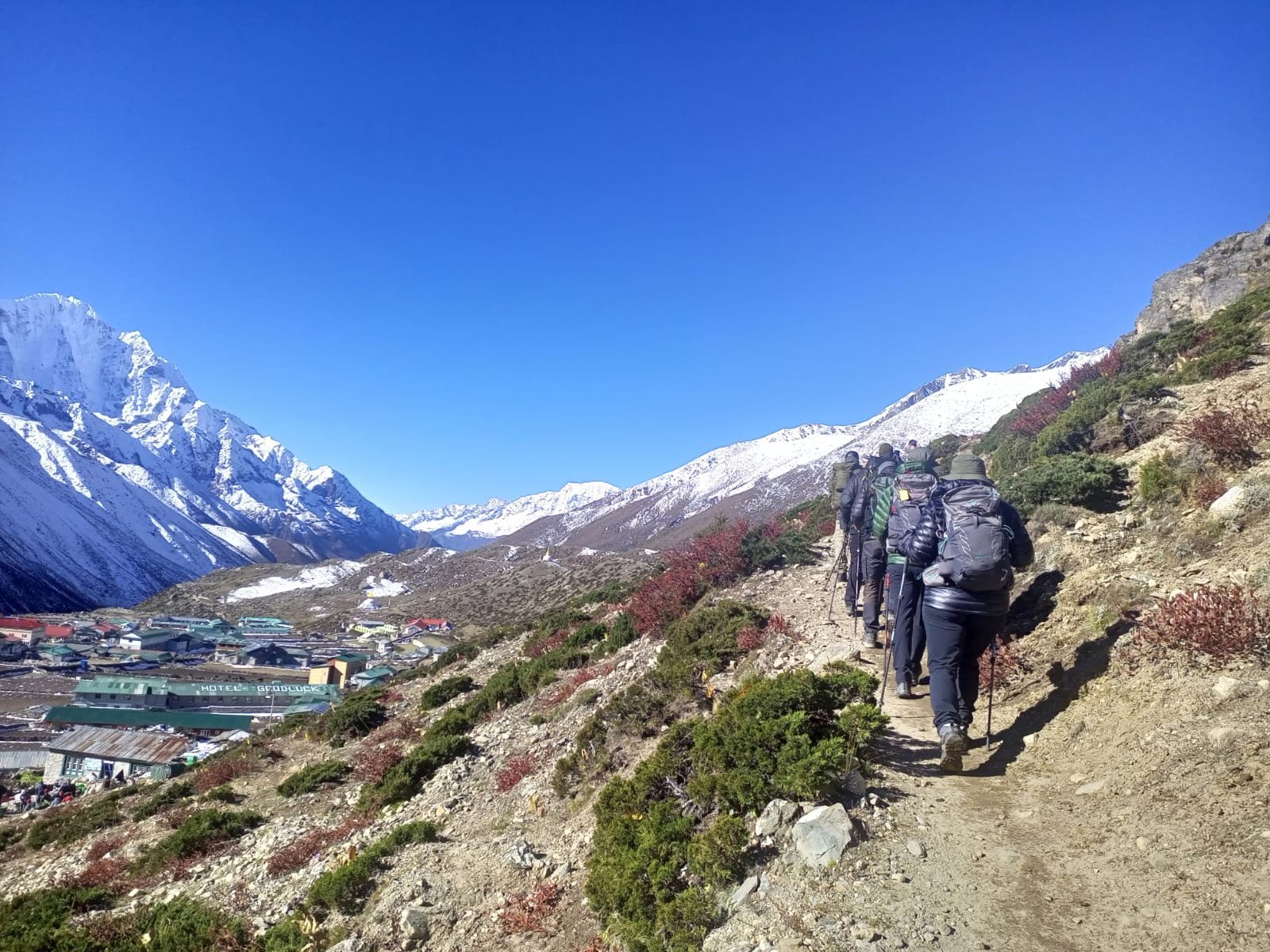
Everest Base Camp Trek Winter 2026
Winter brings a hush to the Everest Base Camp route, unlike the rush seen in spring or fall. From December through February, the land wears thick snow, rivers pause under ice, while sky stretches sharp and blue above silent peaks. Though cold grips harder now, those who come find paths free of crowds, lodges calm and still, plus moments few ever witness in Khumbu. Fewer people walk here then, leaving space for deep quiet, vast views, and raw contact with high mountains doing their slow work. Travellers drawn to loneliness among giants often say these months leave marks nothing else can.
Winter on Everest Base Camp trek?
Peace fills the trails when winter arrives, drawing those who like solitude more than crowds. While spring and autumn bring waves of travelers to Everest Base Camp, frosty months keep the paths still. Fewer people mean space opens up - no waiting at lodges, no jostling for photo spots. Snow drapes the ground, turning valleys into quiet worlds painted white. Because the air bites sharp and clear, views stretch far: Everest stands bold, Ama Dablam cuts the skyline, Lhotse rises behind Nuptse, Pumori watches nearby, peaks line the horizon. Photographers arrive quietly, drawn by light that makes rock and ice feel alive.
Winter Weather Patterns
Cold air settles heavily across Everest during winter, yet rain stays away most days. Bright sunshine makes lower village trails feel fine by noon, though chill creeps in fast once shadows grow long. The higher you go, then the sharper the drop after dark becomes. Frost grips everything past 4,000 meters once night arrives - often deep into negative numbers. Flurries might show up any week, hitting spots like Lobuche or Gorak Shep more than others. Calm skies appear often, still never trust them fully since gusts and whiteouts have been known to rush in silent and sudden.
Winter Mountain Views
Clear mountain views stand out during winter treks. Because the air stays so cold and dry, skies open up without a trace of fog. Bright sunlight hits snowy summits just right when clouds vanish by midmorning. At dawn, everything glows - peaks like Everest catch fire under soft orange beams. Even late-day light lingers longer on ridges such as Lhotse and Nuptse. From high trails, Ama Dablam rises sharply into view, unblurred by mist. Views stretch far past Thamserku toward Kangtega where horizons stay sharp. Fewer particles float in the atmosphere then, making distant ranges seem close enough to touch. Morning stillness brings clarity most seasons never offer. Golden hours feel fuller here, richer somehow, as if time slows near frozen cliffs.
Winter Trail Conditions
Snow changes how the path feels each week in winter. Near Lukla, Phakding, and Namche Bazaar, ground stays mostly bare, simple underfoot. Up higher, paths wear a coat of snow or ice, especially tricky at dawn when frost hardens the stone. Footing improves with strong boots - waterproof ones, grippy soles - and trekking poles steady movement. Even if it is tougher than fall travel, local guides know shifts in terrain, keep walkers moving without risk. Winter shapes the trail differently, yet passage remains possible.
December early winter adventures
Winter starts in the Everest area when December arrives. At first, walking is still pleasant even though cold air creeps in slowly. Snow starts falling again, draping peaks in white, shaping quiet mountain views that leave paths mostly clear. Fewer travelers show up once autumn ends, so lodges grow hushed and footpaths feel undisturbed. The mix of crisp landscapes and tolerable climate draws people who prefer space over bustle.
January coldest month
Cold grips the Everest Base Camp Trail most tightly in January. High up, nights plunge far beneath zero, while snow spreads wider across the land. Yet clear air often fills the sky then, unveiling vast mountain scenes few months can match. Along popular paths, tea houses stay open for travelers, but distant spots sometimes shut when fewer people pass through. Winter gear must be strong and planning sharp - this time of year demands it. Frost shapes every step.
February Where Winter Meets Early Spring
Winter holds on through February, yet hints of softer days appear near its close. Higher paths keep their snow cover, still; growing light and gentler skies ease movement step by step. Fewer travelers arrive at first, even so, the land stays hushed far beyond busy months. Landscapes wear frost like art, meanwhile warmth creeps up just enough to soften the cold grip. Journeys feel open, personal, especially when compared to packed routes later on. This time invites quiet walks where chill meets calm without rush or crowd. Cold air lingers, although not quite as sharp as what came before. Paths stretch ahead under pale suns, offering space more than spectacle. The mountains stay deep in slumber, yet mornings start waking slower now. Footsteps fall lightly here, favored by those who seek stillness over noise.
Packing for a Winter Trek
Winter treks to Everest Base Camp demand careful packing. Thermal base layers come first, followed by fleece jackets that trap heat well. Down jackets must be top grade - cold bites hard at altitude. Waterproof shells keep snow and wind out when storms roll in. Trekking pants need insulation; thin fabric won’t survive nighttime drops. Extra thermal clothes matter once the sun vanishes behind peaks. Glove liners go under heavy mittens when fingers risk numbness. Hats made of wool hold warmth better than thinner options. Neck gaiters block icy drafts sneaking into collars. Socks should resist moisture while holding body heat close. Sleeping bags rated for extreme frost make tea house nights bearable. Without hand warmers tucked in pockets, bare skin freezes fast. Sunglasses shield eyes from glare off endless white slopes. Sunscreen stays vital - even in cold UV rays burn exposed cheeks. Lips crack without constant balm protection under harsh light.
Winter trekking benefits
Among winter's perks: trails feel like your own, opening space to notice small details in the wild. The tea house stays cozy, conversations stretch longer without crowds pressing in. Mountains wear thick coats of snow, making views sharp, almost unreal under crisp daylight. Clear air lifts every photo beyond expectation. Lukla flights settle into schedules less scrambled by demand. Rooms along the route wait emptier, simpler to find when days shorten and cold climbs in.
Winter Trekking Challenges
Winter brings big payoffs, yet it asks more from those who walk its paths. When the air bites hard, layers and gear become non-negotiable. Slippery trails appear under snow cover, so footing must be tested step by step. Sunlight fades fast now, which means every minute outdoors needs planning. Even if skies seem clear, Lukla flights can stall without warning. Thirst hides in the cold, but drinking water stays essential mile after mile.
Tips for a Safe Winter Everest Base Camp Trek
Each step of a good winter hike comes from careful planning. A route laid out ahead of time works better when it builds in extra days to adjust to altitude and shifts due to snow or wind. Moving with someone skilled in cold terrain helps - this person watches skies closely while knowing how slopes behave under frost. Sunrise marks the usual start, giving hours of light plus safer paths before thaw turns trails slick. Staying hydrated helps when climbing higher. Eat foods that fuel your body well during the trip. Dress in layers to adjust easily as conditions shift. If you start feeling signs of thin air, take them seriously. Electronics need spare power sources since low temps reduce battery life quickly.
Final Thoughts
Winter brings quiet mornings and soft light to the path leading up toward Everest Base Camp. Though colder, the air feels sharper, each breath crisp under gray skies turning gold at dawn. Fewer people walk these trails now, leaving footprints in fresh snow instead of crowded steps. Cold hands grip poles while eyes catch distant peaks glowing beyond icy ridges. Clear days unfold slowly, offering views unblocked by haze or summer clouds. Photographs taken here carry a stillness hard to find when others rush past. Frost builds on tents at night, yet inside there is warmth from preparation done right. Layers of clothing matter, gear must hold strong against wind, plans need room for change. Mountains do not bend to schedules, but those who listen closely often leave changed. Solitude wraps around camp like fog before sunrise, deep and full without words. This journey does not promise ease, only honesty in every step forward. Snow-covered rocks lead higher, revealing a version of Nepal few witnesses - calm, vast, untouched by crowds.


0 Comments